
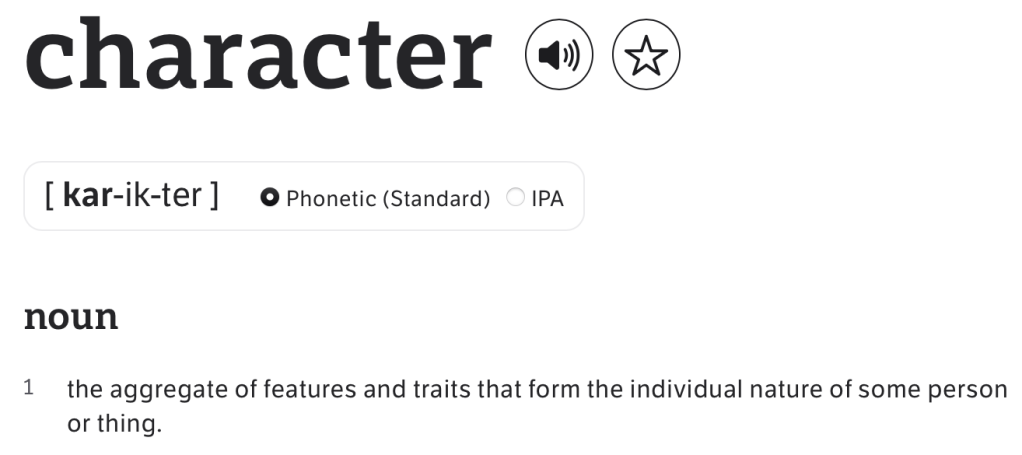
Have you ever found yourself trying to write a story, but that one character just refuses to act quite how you wanted? Or when they are but it feels forced, like an actor who’s just reading the lines they were given, but not actually putting in the effort to make it real? Chances are that’s a sign that you’re trying to force something that isn’t going to work or happen naturally. Characters may not be real people, but you want them to feel real. Readers aren’t going to connect to them otherwise.
This post focuses on how you can create your characters’, well, character! There are a lot of ways to do this, and some work better for separate people, so I’ll cover a few different approaches or techniques.
When creating characters, I personally find they feel more real when I develop them before I start writing. This approach allows me to really get a feel for who they are. It’s almost like making a friend, if the friend was imaginary. I consider it a sort of ‘Get To Know Them’ period. Most techniques I go into will sort of be things you can do with this approach, though they can also be used in the middle of writing.
Which takes me to the other approach; jumping in headfirst. Some people don’t flesh their characters out more than the bare essentials before they start writing, and that can work too! The cons of creating a character before writing can mean that sometimes they’re a bit too well developed, and suddenly it feels like you’re trying to shove a puzzle piece into a puzzle it doesn’t belong to. This approach lets you create the character alongside the world they’re a part of. It’s up to you to determine which one works best for you.
As for actual ways to develop their personality, there are several different ways, and you don’t even have to do just one. You can pick and choose the ones that work best for you. (You can even do all of them if you wanted to!)
One of the ways I used to make my characters early on was using character charts. There are a ton of free character charts you can find online to use, and though simple, they can get you started if you’re struggling to start. Some can even be pretty thought provoking. If character charts aren’t your thing, there are still other ways you can start out on making your character.
One of my personal favorite ways is to act them out to myself. This may seem childish, but it’s effective. It lets me actually get into the character’s head. I come up with a scenario and ask how the character would act in said scenario. I have fun having him or her try out different things and see what fits. If you don’t want to act it out, you can still ask yourself those same questions and write down how you think the character would respond to a situation.
Now, real people are the product of where they’re from. They draw on past experiences and beliefs that have formed over the years to make choices, both consciously and unconsciously. The same goes for fictional people, so make sure your character has a background. Even if it’s rarely referenced during the story, even if only you as the author knows it, give your character a background. If it’s a side character, you may not need to think about it as much as you would a main character, but still make sure you have an idea of where they come from. Where did they used to live? What was that place like? Did they have family? If so, did they have parents? Siblings? Were they raised by a different family member? Did they have a bunch of friends or one really close friend? Everyone came from somewhere, and so did your character, so figure out what that place was, and it will help you when writing them.
A more unique technique I’ve found is to present the character with a place. It can be a room, outside, whatever and wherever you like. Then figure out what it is about that scene that the character notices. If you showed the same place to a group of people, chances are they would all focus on different things, so what is your character drawn to? This can help both when trying to describe a scene from your character’s point of view and with fleshing them out.
Considering the questions I opened this post with, do you have a character that feels stuck or forced, or just straight up stubbornly resisting? I’ve found that while characters are fictional, they can feel very real, and just like real people, if you try to stick them in a cookie cutter role, they’re apt to resist. We don’t like being molded into people who we’re not, and they don’t either. So if what you’re trying to make them do isn’t working, try experimenting and playing around with who they are. Figure out what does work. Or maybe there’s another character in your story who the spotlight would be more fitted to, and the one you were using as your main character really would rather do their work off to the side.
Writing is discovery as much as it is creation, so don’t be afraid to take the hints your characters give you and see what happens if you take the story and people in a different direction than originally planned. You may be pleasantly surprised at the results!
Please share your own experiences with creating the personalities of characters in the comments. I’d love to hear them; and if you have your own tricks, those are welcome as well!
Would any of you be interested if I made a character chart of my own?
 Abigail Fredrickson
Leave a comment